
Colombia
Suyusama Washed
Sangria, Pomelo, Brazil Nut





Colombia
Suyusama Washed
Sangria, Pomelo, Brazil Nut
A round brew with aromas of red grape, clementine, and roasted hazelnut. We found notes of sangria and marshmallow in the cup, accompanied by pomelo acidity and milk chocolatey sweetness. The finish features Brazil nut and a touch of lemon thyme.
Producer: The Suyusama Program and Villa Loyola
Farm: Smallholders
Region: Nariño
Altitude: 1,800-1,900 masl
Varietal: Castillo, Caturra, Colombia
Process: Washed
Roast: Light
Notes: Sangria, Pomelo, Brazil Nut
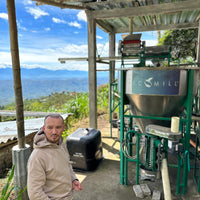
This round, layered single-origin was previously featured as our Holiday Bean. “Suyusama” means "beautiful place" in Quechua, the language of the Indigenous Peoples of the Central Andes in South America.
The Suyusama Program was founded in 2004 by our Direct Trade partners at Villa Loyola to promote participatory management processes for local and regional sustainability. The program educates participating farmers in methods of organic agriculture, coffee processing, and understanding the value of their crop.
Alongside these skills, Suyusama also strives to improve the sustainability of the Nariño region by focusing on five areas of impact: political, economic, social, cultural, and environmental. They focus on the region's most pressing concerns of the moment, such as food security, education, water accessibility, and cultural heritage.
The importance of Suyusama’s goals were highlighted during the COVID-19 pandemic. As lockdowns and supply chain issues limited remote farmers' and their families' access to food and supplies, food security became a growing concern. Farmers who had participated in Suyusama’s educational programs were able to pivot agricultural production on their own farms to address shortages, and could share their training with others in their local community. Accessibility to meat was severely limited during lockdowns, leading farmers to begin raising their own chickens for personal consumption, and to sell the excess as a way to generate revenue.